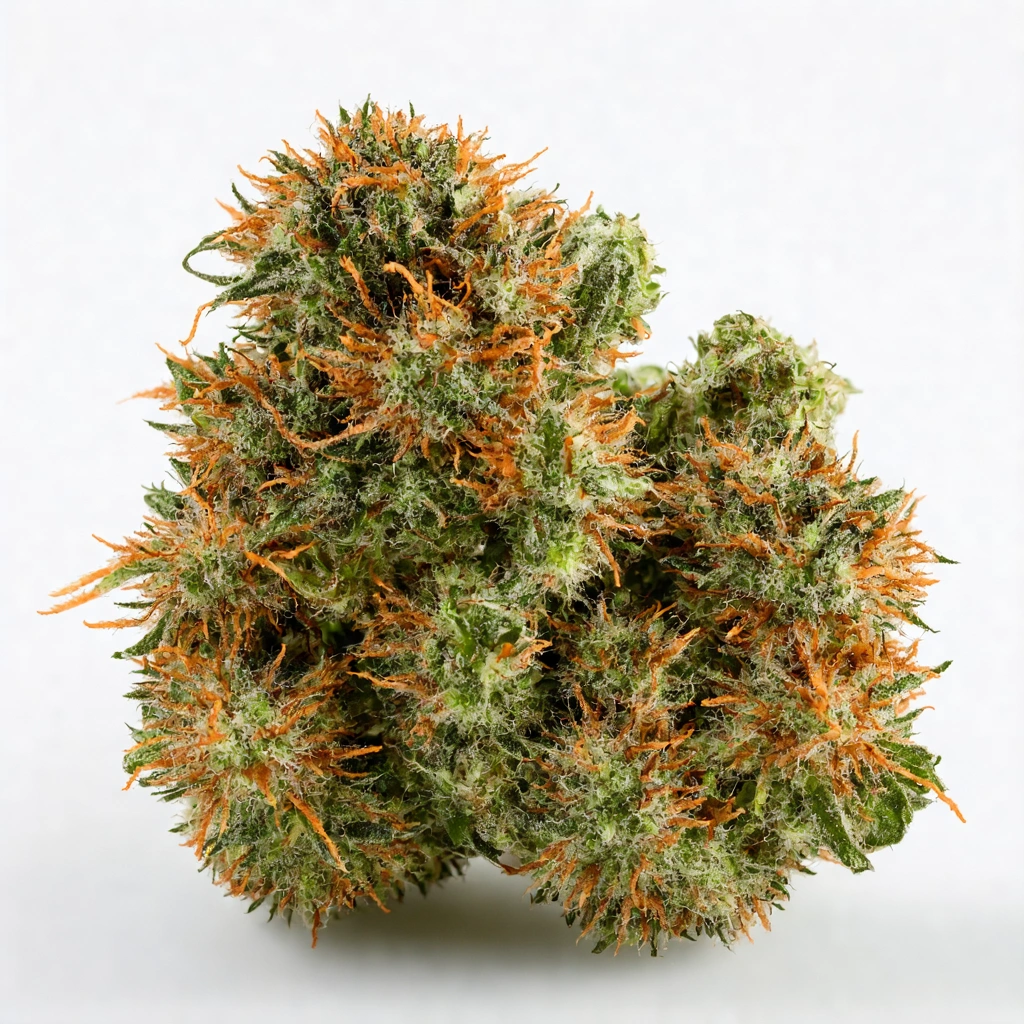
South American
South American
Also known as: South American Landrace, Latin American Sativa
What is the South American strain?
South American is a sativa cannabis strain with up to 20.0% THC, known for its energetic effects and butter and citrus flavor profile.
South American refers to the indigenous varieties of cannabis, known as landraces, that grow natively throughout the South American region. These landrace strains have adapted to the region's latitude and climate, developing distinct sativa characteristics and effects due to their equatorial growing conditions. As a pure sativa landrace indigenous to the South American region, these strains exhibit typical sativa characteristics due to the latitude and climate. South American cannabis represents a remarkable lineage with rich genetic heritage deeply intertwined with the region's cultural and historical fabric, contributing to global cannabis diversity alongside famous varieties like Colombian Gold and Brazilian landraces. These landrace strains share similar climates, growing traits, and effects throughout Central and South America, making them an important genetic foundation for modern cannabis breeding. Unfortunately, many of these landrace strains are considered extinct or endangered in the wild due to decades of regional conflicts and drug trafficking, though conservation efforts are ongoing.
What are the effects of South American?
What are the medical benefits of South American?
- Users report relief from chronic pain
- May help with PTSD symptoms
- Often used for stress management
- Reported to assist with depression
- May provide anxiety relief
This is not medical advice. Consult a healthcare professional.
What are the side effects of South American?
- 💧 Dry Mouth
- 👁️ Dry Eyes
- 💫 Dizziness
- 😨 Paranoia
- Dry mouth
- Dry eyes
- Dizziness
- Possible paranoia in sensitive users
How do you grow South American?
Growing South American strains can be rewarding for those interested in landrace sativas, as these strains typically thrive in outdoor environments that mimic their native South American climate. These pure sativa landrace strains are best suited to warmer climates near the equator and may struggle in colder northern latitudes without hybridization. South American landrace plants are typically tall with narrow, fluffy leaves, vibrant green coloration often streaked with gold, and elongated buds with high calyx-to-leaf ratios. These strains enjoy long growing seasons of equatorial climates and might find it difficult to mature if grown in cold weather in the Northern Hemisphere. Cultivation difficulty is moderate to advanced due to their landrace nature and specific climate requirements.
How should you use South American?
South American is a sativa strain with 20.0% THC, which is moderate potency. As a sativa, it works well for daytime activities and creative sessions.
Beginners
Start with 1-2 small inhalations or 2.5-5mg if using edibles. Wait 15 minutes before taking more. This strain is potent — start very low.
Regular Users
A standard session of 3-5 inhalations or 5-15mg edible dose. Effects typically onset within 5-15 minutes when inhaled, 30-90 minutes for edibles.
Experienced Users
Adjust to personal tolerance. Moderate doses should provide a satisfying experience.
Start low and go slow. This is not medical advice — consult a healthcare professional before using cannabis.
What is the genetic lineage of South American?
What strains were bred from South American?
Frequently Asked Questions
How does South American make you feel?
South American is a sativa strain that primarily produces energetic effects, followed by creative. Users report the dominant effect at 85% intensity. With 20.0% THC, this strain is moderately strong and suitable for regular consumers.
Is South American good for medical use?
South American has been reported by users for users report relief from chronic pain, may help with ptsd symptoms, often used for stress management, reported to assist with depression, may provide anxiety relief. As a sativa strain, it may be suitable for daytime use while managing symptoms.
This is not medical advice. Consult a healthcare professional.
Are there side effects with South American?
Some users have reported dry mouth, dry eyes, dizziness, paranoia, dry mouth, dry eyes, dizziness, possible paranoia in sensitive users when using South American. Starting with a low dose and staying hydrated can help minimize these effects.
What does South American taste and smell like?
South American features a flavor profile of butter, citrus, coffee, earthy, lime. The dominant terpenes are Myrcene and Limonene, which contribute to its distinctive aroma.
What do users say about South American?
Log in to write a review.
No reviews yet. Be the first to review South American!
What does the research say about South American?
South American is a sativa cannabis strain containing up to 20.0% THC, with a terpene profile dominated by Myrcene and Limonene. Below are authoritative resources for understanding the compounds in this strain.