Toxic Punch
Toxic Punch
What is the Toxic Punch strain?
Toxic Punch is a hybrid cannabis strain with up to 25.0% THC, known for its energetic effects and berry and citrus flavor profile.
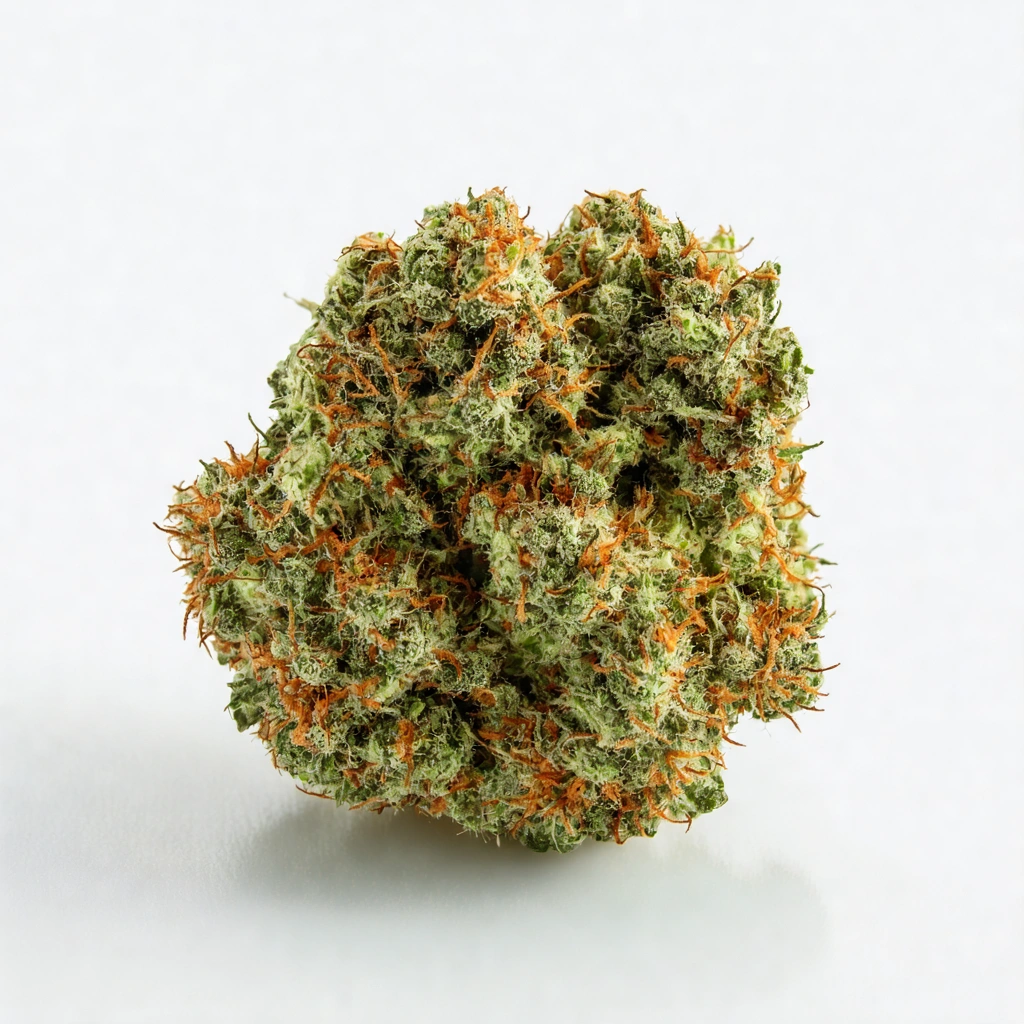
Toxic Punch is a sativa-dominant hybrid cannabis strain created through a three-way cross of White Widow, Casey Jones, and Blueberry genetics. This complex lineage contributes to its unique profile that combines the cerebral effects of its sativa heritage with subtle indica influences. The strain is characterized by its pepper-shaped buds that display deep olive green coloration with abundant amber pistils and a fine coating of milky white trichomes, giving the flowers a frosty, crystalline appearance.
The strain gained popularity for its distinctive aromatic profile that blends sweet fruity berry notes with hints of honey-flavored skunk and pine undertones on the exhale. This complex terpene profile, featuring prominent limonene and myrcene, creates a sensory experience that lives up to its "punch" namesake. Toxic Punch is known for producing an energetic cerebral high that can leave users feeling introspective and distant while maintaining functionality, making it suitable for creative endeavors or outdoor activities where mental wandering is desired.
With THC levels typically ranging between 15-25%, Toxic Punch delivers potent effects that experienced users appreciate for stress relief and mental clarity without overwhelming sedation. The strain's sativa-dominant genetics make it particularly appealing as a daytime option, though users should be prepared for its tendency to induce deep introspection and occasional haziness that may interfere with detailed tasks.
What are the effects of Toxic Punch?
What are the medical benefits of Toxic Punch?
- Users report relief from chronic stress
- May help with anxiety
- Often used for mild depression
- Users report benefits for chronic fatigue
- May assist with insomnia
- Often used for chronic pain management
This is not medical advice. Consult a healthcare professional.
What are the side effects of Toxic Punch?
- 💧 Dry Mouth
- 👁️ Dry Eyes
- 😨 Paranoia
- Dry mouth
- Dry eyes
- Possible paranoia in high doses
- Mental haziness
- Introspective distance
- Potential headaches from dehydration
How do you grow Toxic Punch?
Toxic Punch cultivation presents moderate to advanced difficulty levels, making it better suited for experienced growers. The plants tend to grow tall and wide, requiring regular trimming throughout the flowering cycle to manage their vigorous growth. Indoor flowering time is approximately 63 days (9 weeks), while outdoor harvests typically occur in early to mid-October. The strain performs well in both indoor and outdoor environments, though outdoor cultivation in Mediterranean-like climates yields optimal results. Growers can expect medium to high yields when proper care is provided, with the strain showing good resistance to common pests and molds. Training techniques such as topping and low-stress training are recommended to manage height and improve light penetration to lower branches.
How should you use Toxic Punch?
Toxic Punch is a hybrid strain with 25.0% THC, which is considered high potency. As a hybrid, it offers versatility for both daytime and evening use.
Beginners
Start with 1-2 small inhalations or 2.5-5mg if using edibles. Wait 15 minutes before taking more. This strain is potent — start very low.
Regular Users
A standard session of 3-5 inhalations or 5-15mg edible dose. Effects typically onset within 5-15 minutes when inhaled, 30-90 minutes for edibles.
Experienced Users
Adjust to personal tolerance. At 25.0% THC, even experienced users should respect this strain's potency.
Start low and go slow. This is not medical advice — consult a healthcare professional before using cannabis.
What is the genetic lineage of Toxic Punch?
What are Toxic Punch's parent strains?
Frequently Asked Questions
How does Toxic Punch make you feel?
Toxic Punch is a hybrid strain that primarily produces energetic effects, followed by cerebral. Users report the dominant effect at 85% intensity. With 25.0% THC, this strain is considered potent and best suited for experienced users.
Is Toxic Punch good for medical use?
Toxic Punch has been reported by users for users report relief from chronic stress, may help with anxiety, often used for mild depression, users report benefits for chronic fatigue, may assist with insomnia, often used for chronic pain management. As a hybrid, it offers a balanced profile that may work throughout the day.
This is not medical advice. Consult a healthcare professional.
Are there side effects with Toxic Punch?
Some users have reported dry mouth, dry eyes, paranoia, dry mouth, dry eyes, possible paranoia in high doses, mental haziness, introspective distance, potential headaches from dehydration when using Toxic Punch. Starting with a low dose and staying hydrated can help minimize these effects.
What does Toxic Punch taste and smell like?
Toxic Punch features a flavor profile of berry, citrus, fruity, honey, pine, skunk, sweet. The dominant terpenes are Limonene and Myrcene, which contribute to its distinctive aroma.
What do users say about Toxic Punch?
Log in to write a review.
No reviews yet. Be the first to review Toxic Punch!
What does the research say about Toxic Punch?
Toxic Punch is a hybrid cannabis strain containing up to 25.0% THC, with a terpene profile dominated by Limonene and Myrcene. Below are authoritative resources for understanding the compounds in this strain.
Cannabinoid Information
Cannabis Regulations & Safety
What strains are similar to Toxic Punch?
#1 Stunna
HybridTHC: 20.0% - 30.0%
#41 Zi
HybridTHC: Unknown
$.i.N.G
HybridTHC: 18.0% - 24.0%
'78 LA OG Affie
HybridTHC: 22.0% - 23.0%
'78 Skunk 'D' x Gorilla Grape
HybridTHC: Unknown
'78 Skunk 'M' x Gorilla Grape
HybridTHC: Unknown
'87 Firebird
HybridTHC: 18.0% - 23.0%
'98 Aloha White Widow
HybridTHC: 20.0% - 25.0%